Campagnola Amarone della Valpolicella Classico DOCG: the harvest that waits for winter
In Valpolicella, appassimento turns waiting time into concentration.
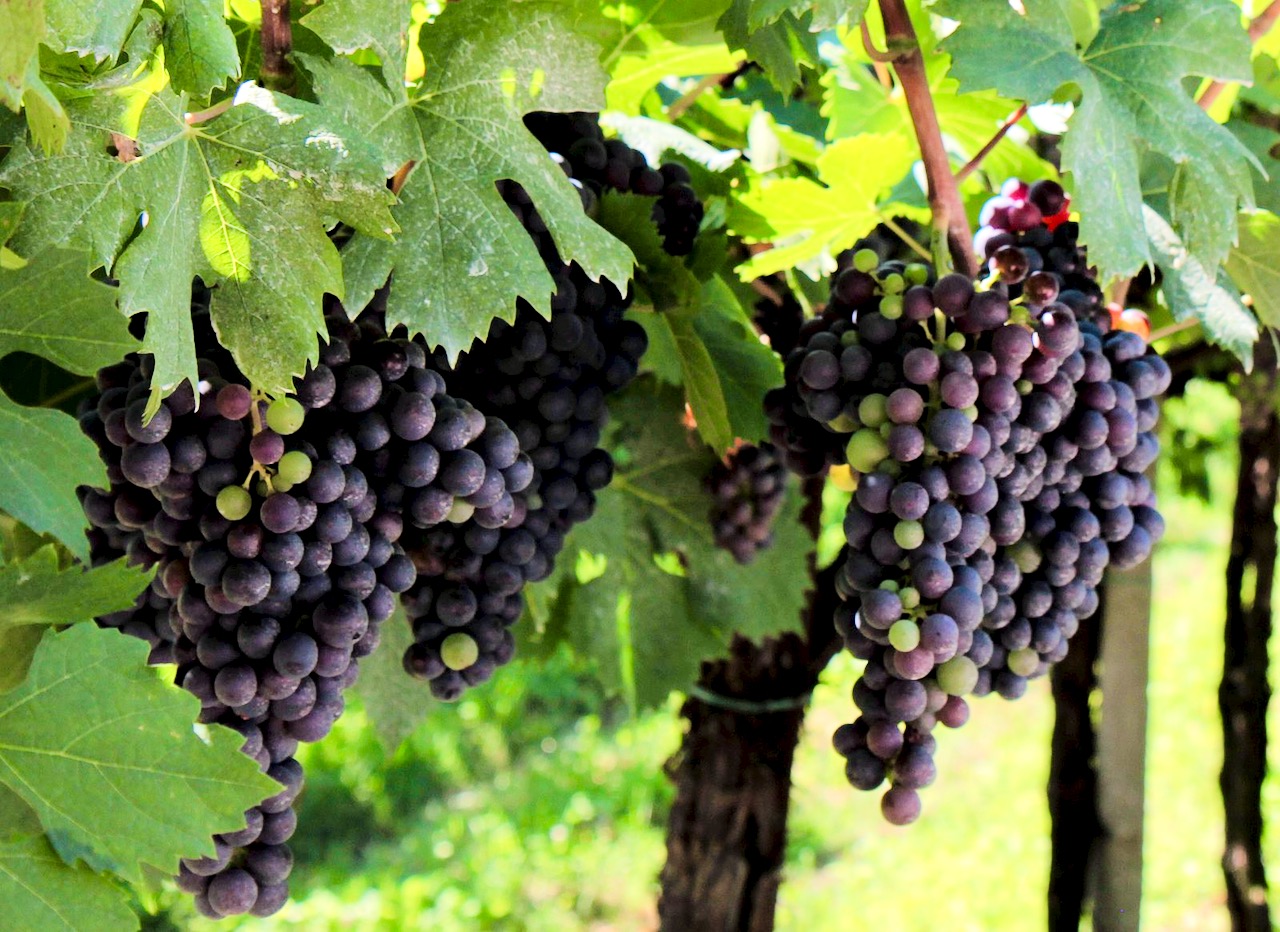
Corvinone bunches in Valpolicella in August: an illustration of one of the three grapes in this Amarone.
Jonathanischoice · Original image · CC BY-SA 3.0
A hundred days before becoming wine
In Marano di Valpolicella, grapes selected for this Amarone rest for around a hundred days in the fruttaio, a room intended for drying them. The producer reports a natural weight loss of 35–40%. Water decreases and the grape’s compounds become more concentrated: this wine’s story therefore begins with a very practical form of patience.
Three grapes, a precise blend
Campagnola lists Corvina Veronese and Corvinone Veronese together as 75% of the blend, with 25% Rondinella. There are three grapes, although the first two do not have individually published percentages. “Classico” places the wine in the historic Valpolicella area around Verona, in Veneto. Knowing those names helps you connect the bottle with its landscape.
Two sizes of oak
Ageing divides the wine between two types of vessel: 60% spends twenty-four months in large oak casks, while 40% spends eighteen months in Allier oak barriques. The estate then specifies six months in bottle. The different sizes of these containers form part of the work on texture and balance as the wine develops.
Warmth, fruit and velvet
Cherry, ripe plum, toasted almond and vanilla shape the aromatic profile described by Campagnola. The palate is full, warming and velvety. Drying grapes alone does not make a dessert wine: fermentation matters too. With Recioto it is stopped to retain more sugar; Amarone follows a different course. Here, think first of an appetite for intensity and roundness when choosing.

Discover more in our wine archives
Prunotto Barolo DOCG: a thread reaching back to 1905 →
Sources and references
Campagnola — Amarone della Valpolicella DOCG Classico
Campagnola — Amarone, fiche technique
Campagnola — L’appassimento et l’Amarone
Consorzio Valpolicella — Recioto et fermentation