Limoncello: the scent of lemon and a gesture of hospitality
From zest to maceration, an Italian liqueur whose freshness begins in the peel.
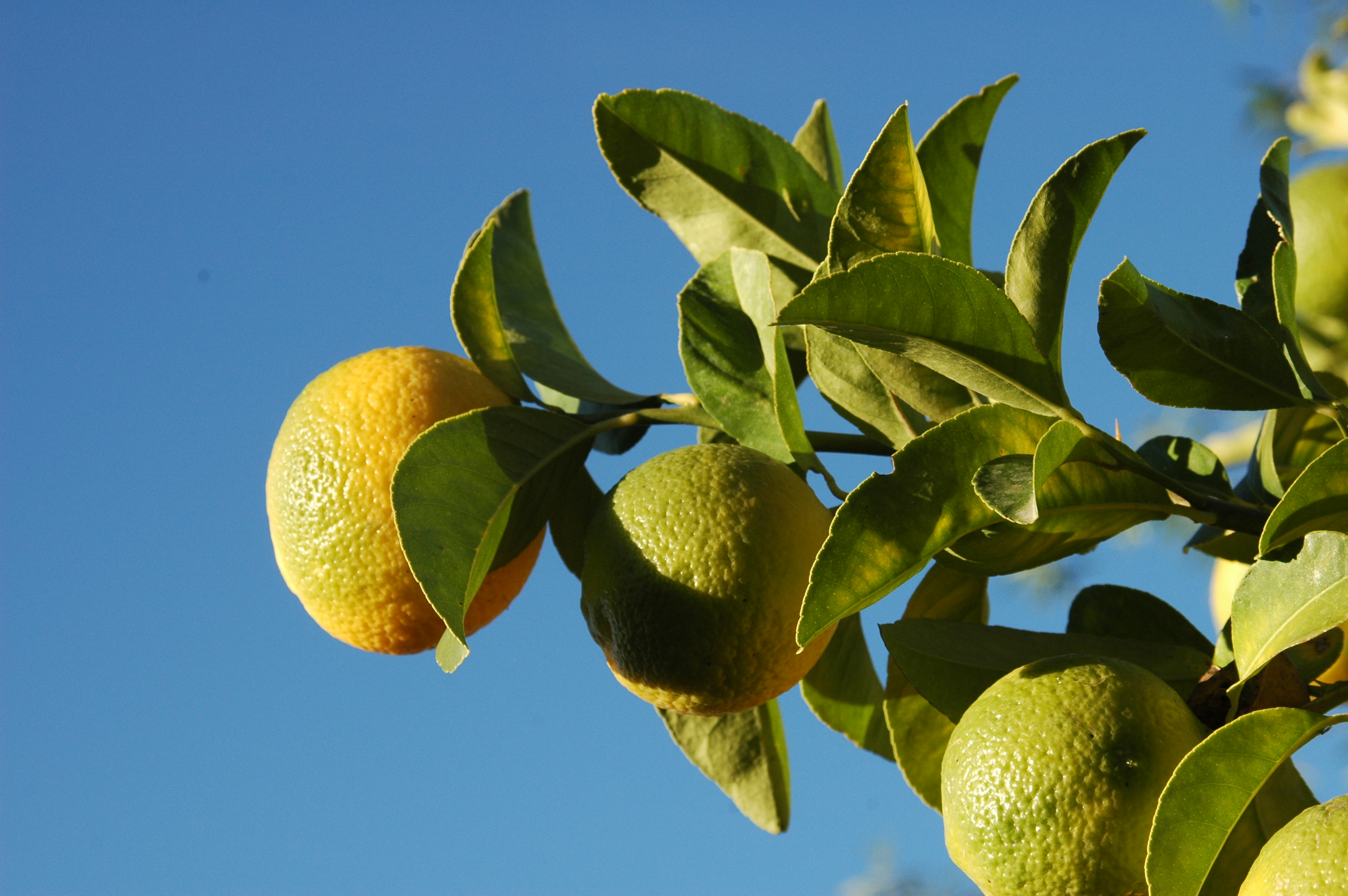
Lemons on their tree. Photograph by Amada44, Wikimedia Commons — CC BY 3.0. Original photograph · CC BY 3.0
Lemon to extend the pleasure of the table
At La Corte Segreta, our limoncello, offered at 30 % vol., accompanies the end of the meal with the fragrant expression of lemon. Its sweetness and peel notes give it a different presence from a grape spirit: another way to encounter Italy in the glass.
It belongs to the family of citrus, fruit and almond liqueurs, in which the raw ingredient is processed to pass its aroma into the alcohol.
A history of gardens and homes
The history of limoncello is connected to the lemon trees of southern Italy, particularly Campania. Capri, Sorrento and Amalfi preserve several stories of its origins and spread. Family preparations from the early 20th century belong to this history, which also extends to other Italian regions.
In the Gargano, in northern Puglia, limoncello is particularly associated with the lemons of Rodi Garganico. A local tradition describes a simple gesture: keeping the liqueur at home and offering a small glass to visiting friends and relatives as a sign of friendship and respect. This idea resonates with us at La Corte Segreta: the glass also extends the time spent together.
The aroma is in the zest
Traditional preparation begins by washing the fruit and removing the outer part of the peel. This zest is macerated in alcohol: the lemon’s aromatic compounds gradually pass into the liquid. The extract is filtered, then blended with a syrup of water and sugar. Maceration times and proportions vary according to the recipe.
Limoncello’s identity thus comes mainly from the fragrant oils in the peel. Lemon juice and zest extraction give different results: the juice contributes acidity in particular, while the zest conveys much of the desired aroma.
Why can it turn cloudy?
A limoncello can look cloudy without containing cream. Some lemon oils dissolve readily in alcohol but much less readily in water. When the blend’s composition changes with the addition of syrup, they can form tiny droplets dispersed in the liquid. This is a spontaneous emulsification phenomenon, often called the ouzo effect.
This detail leads to a surprising story: in 2018, the structure of limoncello was even studied using neutrons. The experiment revealed droplets of around one hundred nanometres in the preparations analysed. Behind a familiar glass lies an organisation invisible to the naked eye.
Lemon also features in our kitchen
At La Corte Segreta, the pleasure of lemon also extends to pizza. Our untreated organic lemon, used in the kitchen for its zest, brings aromatic freshness to certain toppings. In limoncello as in a recipe, the peel shows how a small action can give aroma a prominent role.
Citrus, fruit and almonds: the fragrance of Italian liqueurs →
Gozio: the amaretto that changed our minds →
