Eligo dell’Ornellaia: grape skins and the estate’s patience
A Tuscan Grappa Riserva at 42% ABV, with a silky texture.
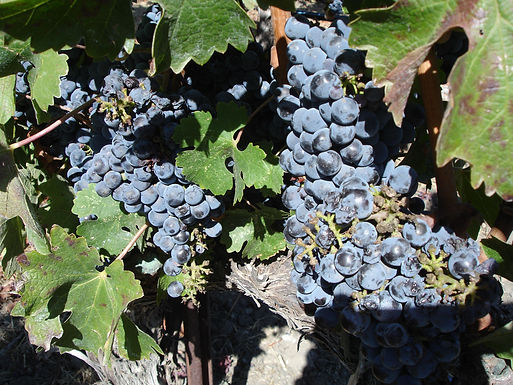
Cabernet Sauvignon photographed in California: an illustration of the grape variety, not the Ornellaia estate. Photograph: Lyn Gateley, Wikimedia Commons, CC BY 2.0.
Lyn Gateley · Wikimedia Commons · CC BY 2.0 · Original document · CC BY 2.0
The grapes continue their journey
After Ornellaia’s wines leave their vats, the grape marc takes another route. Cabernet Sauvignon, Merlot, Cabernet Franc and Petit Verdot skins go to an artisan distillery in the Tuscan countryside. Selection begins in the vineyard; the distiller then extracts the skins’ delicate aromatic heart, carrying the grapes into another expression of the estate’s work.
Small stills and blended reserves
Distillation takes place in small copper pot stills. The grappa then rests for at least three years in barrels owned by Ornellaia. It is blended with reserves from previous years to develop breadth and character. Distilling, blending and bottling all take place at the same distillery, as specified in the estate’s technical sheet.
Understanding its silky character
Ornellaia particularly highlights Eligo’s silky texture and golden tones. Body, the development brought by wood and a broad palate are useful guides to choosing it. The character comes from the aromatic material, patient maturation and the joining of different reserves. Its texture helps distinguish it from the more direct expression of an unaged grappa.
On our menu
Eligo is offered at 42% ABV in a 4 cl measure. Riserva, silky, woody and full-bodied are useful terms for comparing it with the white grappas and the other aged expressions.
Sources and further reading
Explore more in our archives
Grappa and maturation: time in wood →
Cabernet Sauvignon: explore the grape →
