Cabernet Sauvignon: structure, blackcurrant and an unexpected parentage
Structure, blackcurrant and an unexpected parentage
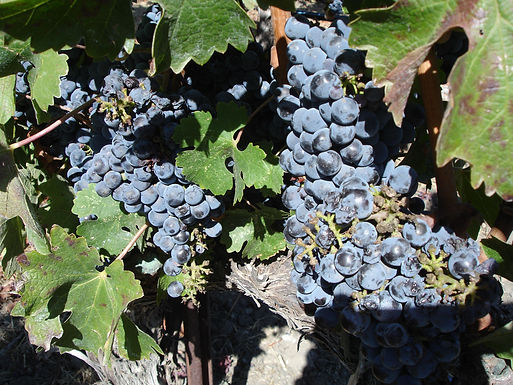
Lyn Gateley · Original photograph · CC BY 2.0
A meeting in Bordeaux
Cabernet Sauvignon is part of Bordeaux’s heritage, with a major role on the gravel soils of the Médoc and Graves. It later spread to many countries, including Italy. Its history holds a surprise: DNA analysis revealed that its parents are Cabernet Franc and Sauvignon Blanc. A dark-skinned grape and a white grape thus produced one of the best-known red varieties. This parentage adds another dimension to the story behind the names.
In the vineyard
The berries are small, rounded and dark. Relatively late budbreak limits exposure to the first spring frosts; ripening, however, requires a sufficiently long season. Well-drained soils and good exposure help the grapes reach maturity. Harvesting too early can leave a more pronounced green character. Site, yield and harvest date therefore have a strong influence on tannin finesse. Today’s vines are generally grafted: our archive article on phylloxera and ungrafted vines explains this transformation of European vineyards.
In the glass
In a dry red, typical characteristics include blackcurrant, other dark fruits and sometimes liquorice or a hint of mint. The palate is often structured, with evident tannins and freshness that supports the wine. Wood ageing can add vanilla, toast or spice notes. Age can shift the fruit towards more complex nuances.
Understanding a blend
At La Corte Segreta, knowing this grape helps us understand a wine’s structure. Merlot can bring a different texture to a blend, while Italian terroir gives Cabernet its own expression. We use these pointers to discover the character of each estate.

Typical flavour characteristics of Cabernet Sauvignon — a qualitative overview by La Corte Segreta. Terroir and winemaking influence the profile.
Sassicaia: the dream of Bolgheri →
Cabernet Franc: red fruit and the finesse of an illustrious parent →
Sauvignon Blanc: expressive freshness and a red-grape relative →