Grappa Tignanello: a second expression of the grape
An unaged Marchesi Antinori grappa at 42% vol., produced in limited quantities.
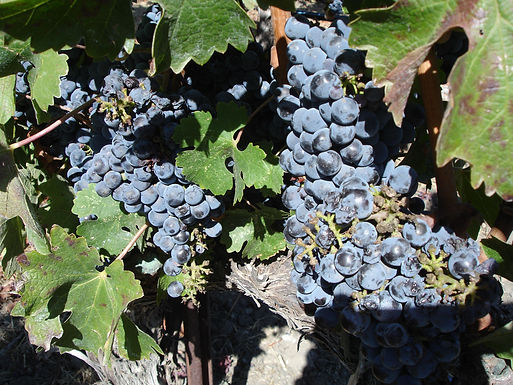
Cabernet Sauvignon in Napa Valley, California — Lyn Gateley, Wikimedia Commons, CC BY 2.0. A botanical illustration of the vine; it does not show the Tignanello estate or the pomace of this grappa batch.
Lyn Gateley · Wikimedia Commons · CC BY 2.0 · Original document · CC BY 2.0
The work continues after the wine
Grappa Tignanello extends the work of the grape through its fermented pomace. Antinori transfers it to the distillery immediately after the fermentation vats are emptied and the pomace is pressed. That timing allows the producer to work with material rich in alcohol and aromatic substances.
The different batches of pomace produce several lots of spirit. The house then selects the finest, most aromatic and balanced for the final blend. Availability is limited.
Grape finesse before oak
This reference belongs to the unaged grappas. Its appeal lies in grape character and the aromatic precision of the pomace, with a direct, broad presence on the palate. The warmth of the spirit is part of the experience alongside its finesse.
Here the useful reference points are grape fruit, aromatic character and the balance of the blend, offering a different reading from reserves shaped by a cask.
Finding and comparing it
We offer 4 cl at 42% vol. Tignanello, unaged grappa, grape, aromatic and dry are useful menu search terms.
The Tignanello wine archive explains another part of its background. Comparing this grappa with matured references helps distinguish the expression of pomace from the character contributed by wood.
Sources and further reading
Lyn Gateley — Wikimedia Commons
Explore our related archives
Tignanello: the story of the wine →
Antinori: a story of passing on knowledge →
Grappa and ageing: time in wood →
