Juliette Colbert · From the Cellars of Barolo to Turin’s Prisons
Exile during the French Revolution, reform of a women’s prison and the future of a Langhe estate. Three moments in the life of the Marchioness of Barolo.
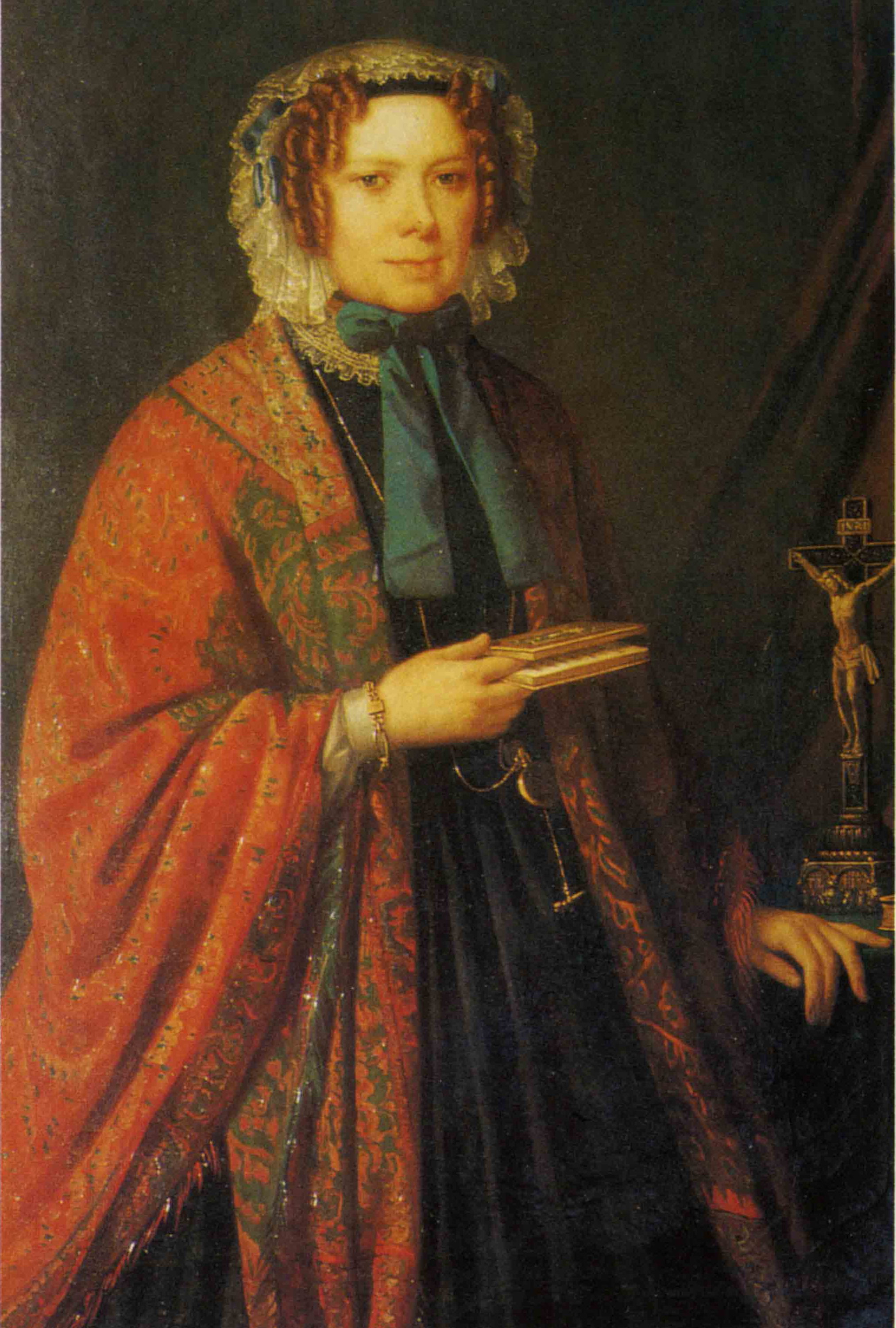
Juliette Colbert, known in Italy as Giulia di Barolo. Painted by Pietro Ayres in 1848 and held at Palazzo Barolo in Turin.
Pietro Ayres, 1848 · Palazzo Barolo, MuseoTorino · Public domain, Wikimedia Commons. Original document · Licence
From Maulévrier to Turin
Juliette Colbert was born at the château of Maulévrier in western France. Her family went into exile in 1792 during the French Revolution. Her mother died in exile in 1795. After the Colberts returned to France, Juliette met the Piedmontese marquis Carlo Tancredi Falletti di Barolo. They married and settled permanently in Turin in 1814.
Writing the prison rules with the women
In Turin, Juliette obtained permission in 1818 to enter the Senate prison and meet the women held there. In 1821 the authorities entrusted her with reorganising the Forzate prison. She involved the women in drafting the rules and expanded opportunities to learn to read and write. She also helped establish the Rifugio, a place for women to stay after their release.
At the Forzate prison, teaching women to read calls for some improvisation. Silvio Pellico, who knew Juliette well and wrote her first biography, recalls her having a large alphabet mounted on a canvas frame. She taps the floor with a distaff to signal a mistake or tell the next woman to read. Women who learn to read then take on some of the teaching themselves. In that prison, learning also gives them something they can pass on.
Carlo Tancredi died in 1838. Juliette continued their work and made provisions in her will for it to carry on. The Opera Pia Barolo was founded in 1864, after her death, to do just that.
The vineyards behind the title
The name Barolo connects her story with the Langhe. Juliette and Carlo Tancredi helped develop the Nebbiolo wine produced on their estates and build its reputation. Several estates and winemaking specialists contributed to its transformation in the nineteenth century. Today the wine museum at Barolo Castle preserves rooms where visitors can learn about the couple and their place in that history.
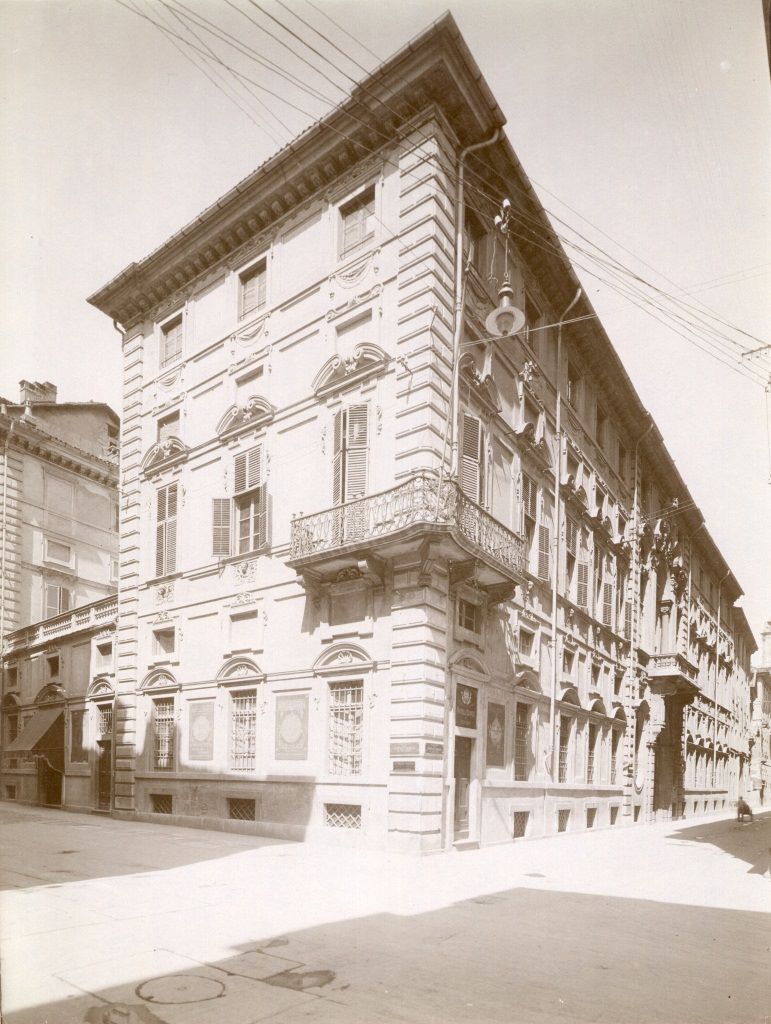
Palazzo Barolo in Turin in 1925. Once home to Juliette and Carlo Tancredi, the palace houses the charitable institution she established through her will.
Mario Gabinio · Fondazione Torino Musei · CC BY 3.0 IT · Original document · Licence
Also in our archives
Sources
Turin Civic Libraries · Her work with women in prison
MuseoTorino · The Marchesi di Barolo and their projects
Barolo & Castles Foundation · Barolo Castle and its wine museum