Piero Antinori — two gambles for a Tuscan wine house
Born near Florence, Niccolò’s son took Tignanello outside the Chianti appellation and later pledged the family palazzo as collateral.
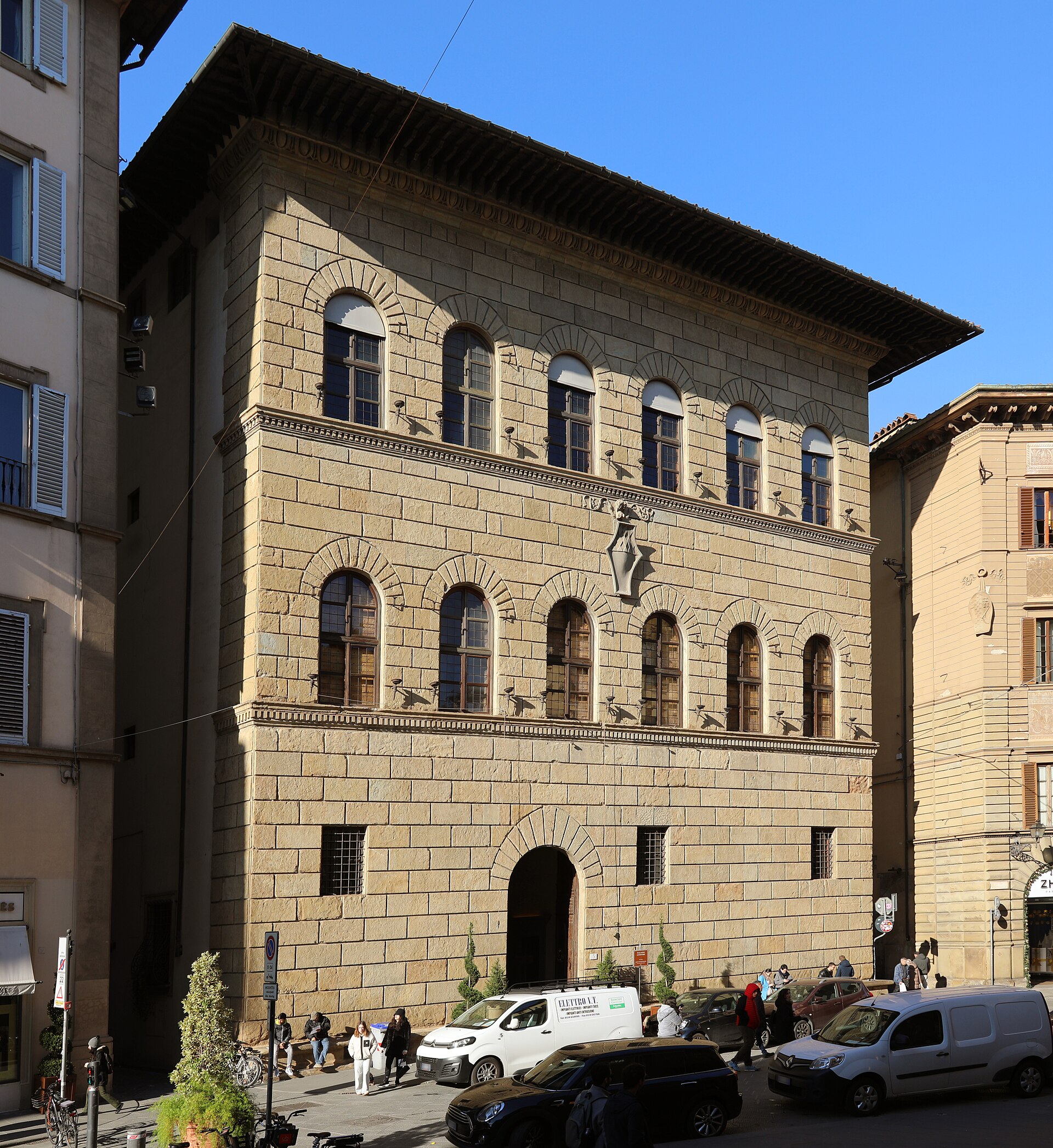
Palazzo Antinori in Florence, the family home where Piero grew up and the property he put up as collateral to regain control of the business.
Francesco Bini (Sailko) · Wikimedia Commons · CC BY-SA 4.0. Original document · Licence
A difficult time to take over
Piero Antinori was born in 1938 and grew up in Florence. The son of Niccolò and Carlotta della Gherardesca, he grew up between the family palazzo and its country estates, then studied economics. His father put him in charge in 1966. Wine prices were low, margins were tight and Chianti’s reputation had suffered. Piero later recalled that those conditions gave him a reason to try new things in the vineyards and cellars.
The name the wine kept
Working with winemaker Giacomo Tachis, Piero explored new blends and ageing in small oak barrels. The single-vineyard wine was still a Chianti Classico Riserva in the 1970 vintage. For 1971 the house released it as a Tuscan table wine, keeping the vineyard’s name, Tignanello. The white grapes were dropped altogether in 1975.
The label, designed by Silvio Coppola, bears Niccolò’s signature. Piero asked his father to sign it as a thank-you for the trust he had placed in him.
Putting up the palazzo
In the early 1980s his brother and sister wanted to sell their shares. Piero took on the British group Whitbread as a partner to finance the deal. The partnership proved difficult. In 1991 he put up his personal assets and Palazzo Antinori as collateral to finance the buyback. The house returned to full family ownership. His daughters Albiera, Allegra and Alessia joined the business and carried on the work with Renzo Cotarella.
Piero later acknowledged that he had initially imagined passing the business on to a son. At the time, he thought it unlikely that his daughters would take charge, and that concern weighed in his decision to partner with Whitbread. In 1986 his eldest daughter, Albiera, joined the company and threw herself into the work. Allegra and Alessia followed. Their father changed his mind. Years later, he said how happy he was to see his daughters at the helm.
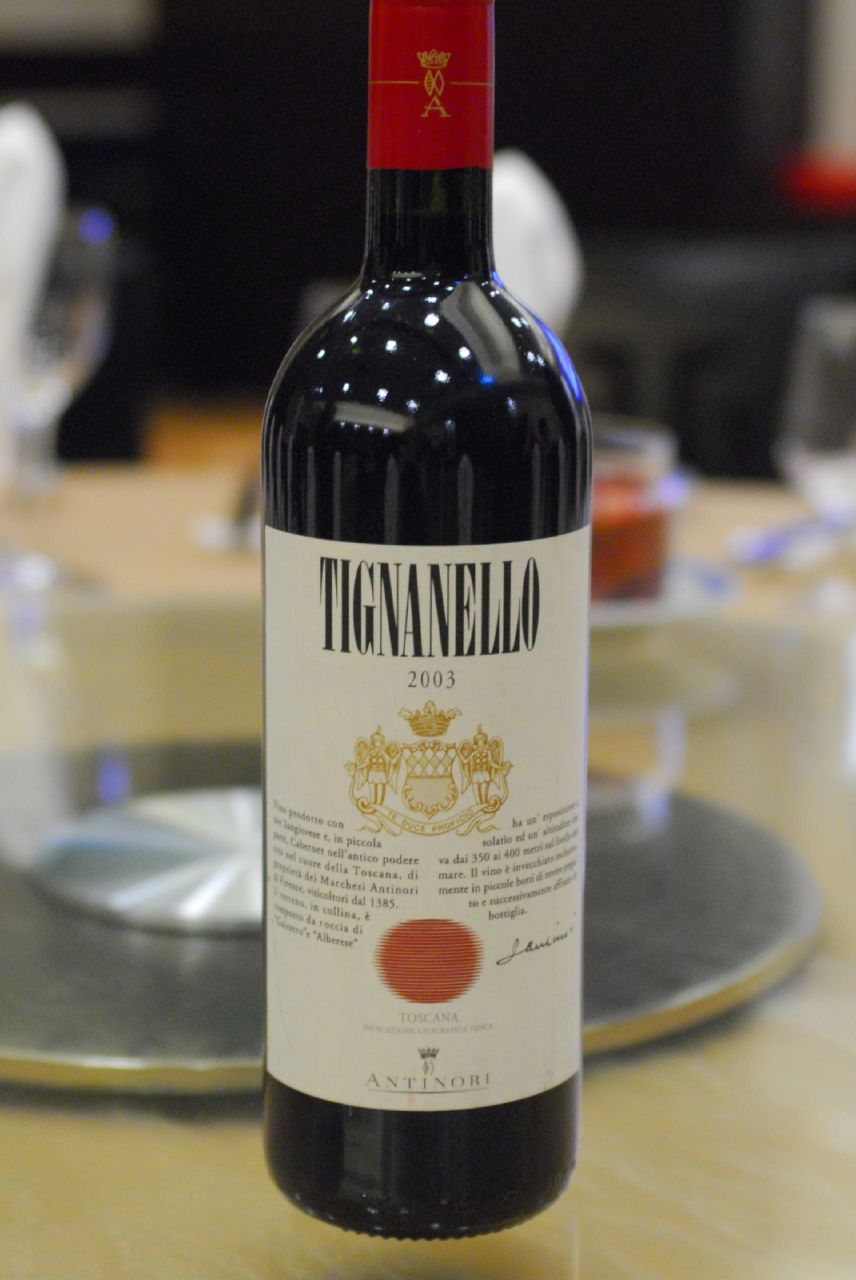
A bottle of 2003 Tignanello photographed in 2007. The Tignanello label carries Niccolò Antinori’s signature.
Janine C · CC BY-SA 2.0 · Original document · Licence
Also in our archives
Marchesi Antinori · the history of the house →
Tignanello · the wine’s story →
Niccolò Antinori · from the villa to the ruined cellars →
Sources
Municipality of Ficulle · biography
Marchesi Antinori · Tignanello chronology and label
Wine Enthusiast · interview with Piero Antinori
Wine Spectator · first-hand account of the 1991 buyback
Marchesi Antinori · the family generations
Sources
Corriere della Sera · Piero Antinori on handing over to his daughters