Belgian tripel: golden colour, remarkable depth
Understand what “tripel” means beyond the number, the colour and the familiar assumptions.
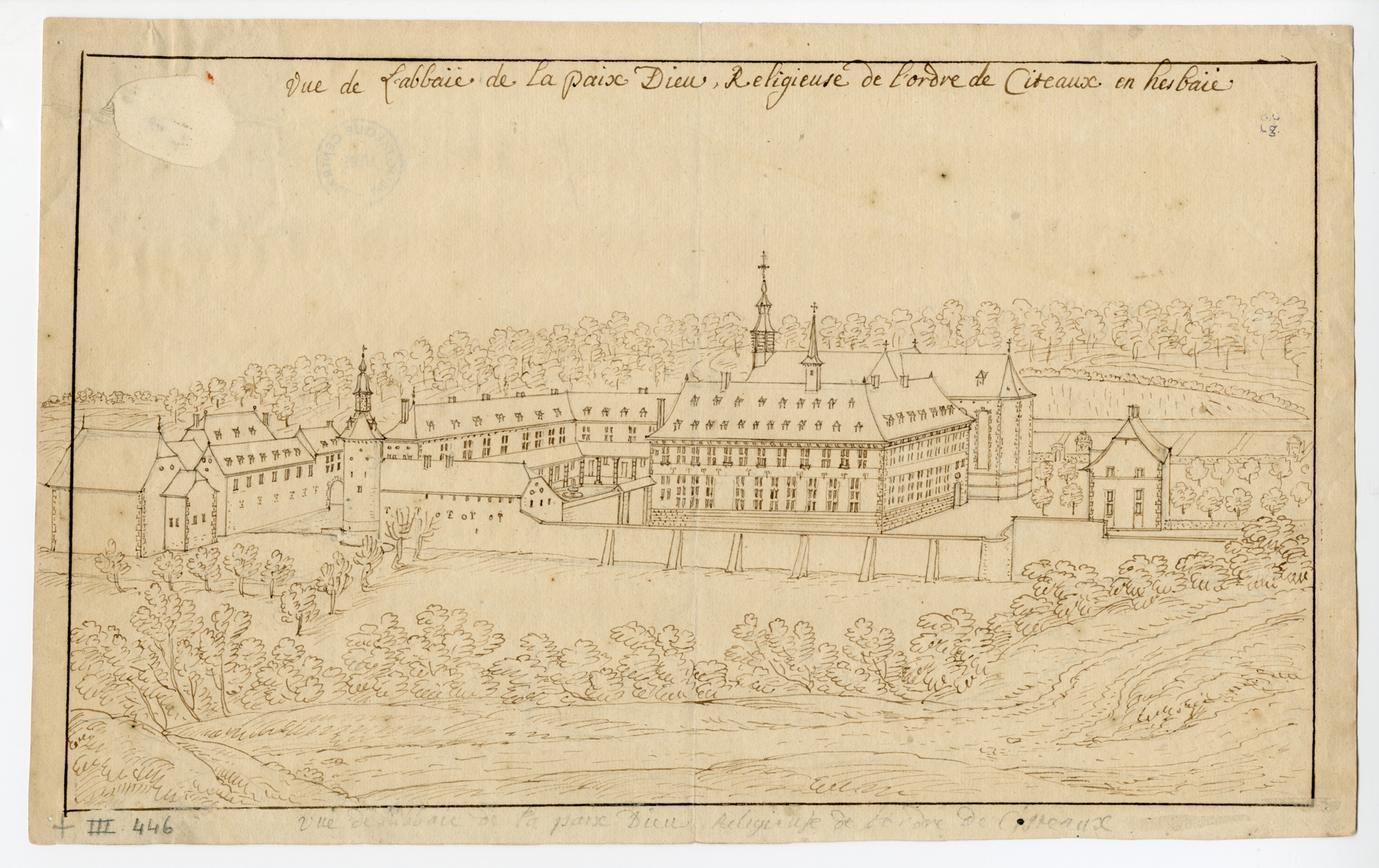
Remacle Leloup’s view of Paix-Dieu Abbey in Amay, drawn around 1738. The buildings, cloister and gardens bring to life the place behind the beer’s name. Today’s Paix Dieu is brewed by Caulier in Péruwelz, not in this former abbey.
Remacle Leloup / Ville de Liège, Fonds patrimoniaux · vers 1738 · Document source · Public domain
A style, not a calculation
“Tripel”, also written “triple”, now names a family of strong Belgian ales, usually pale and top-fermented. The word does not establish three fermentations, three times the alcohol or one universal quantity of malt. Bottle conditioning can be part of the process without defining the whole style. To understand a tripel, look at its recipe, overall balance and alcohol content.
Westmalle: a reference since 1934
Westmalle Abbey dates the birth of its Tripel to 1934, when a new brewing hall opened. That beer became an influential reference for the style. Its process combines top fermentation with secondary fermentation in the bottle. This offers a practical way to separate a style name from the number of fermentations. “Tripel” describes a brewing tradition; “Trappist” concerns a particular origin and production framework. The two words answer different questions about a beer.
Why pale can still mean powerful
A pale colour does not predict a low alcohol content. In a tripel, yeast can create fruity and spicy nuances, while hops provide bitterness that gives the flavour structure. Lively carbonation and a finish with little sweetness help prevent a consistently heavy impression. Look first for fruit, then spice, then the lingering bitterness. These are useful family resemblances, with each brewer building a different balance.
On our menu: Paix Dieu
Paix Dieu from Brasserie Caulier, at 10%, illustrates a golden tripel with fruity and spicy aromas and lingering bitterness. The brewery links its identity to brewing during the full moon, a signature of its production story explored in its individual archive. When choosing, consider strength, texture and aroma together.
Sources and documentation
Westmalle — Brewery history and brewing process
Brasserie Caulier — Paix Dieu product sheet
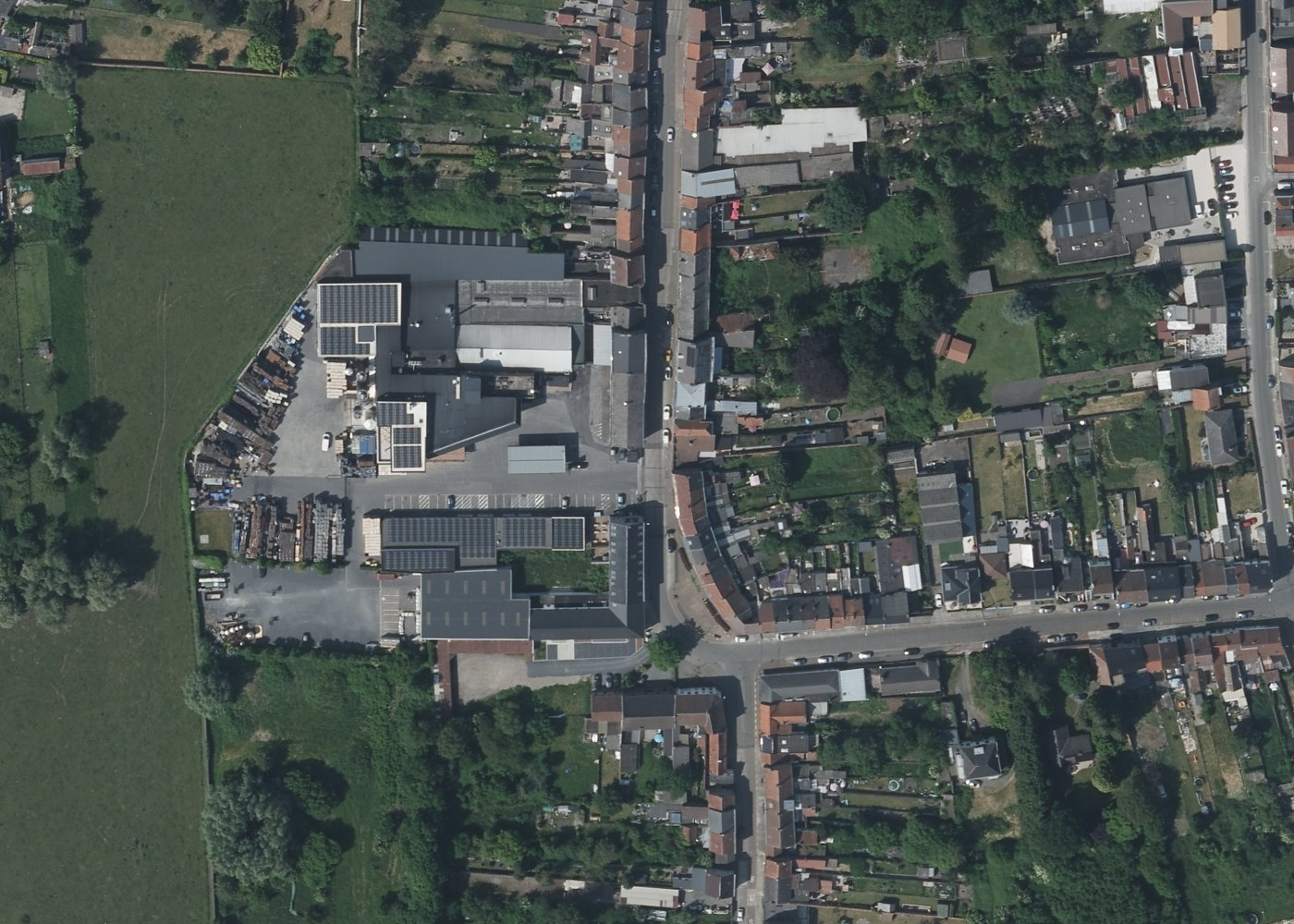
Caulier’s production site in Péruwelz, photographed from the air in 2023. This view locates the buildings where Paix Dieu is brewed, away from the former abbey in Amay. Geographic extract from the Walloon Public Service’s aerial imagery, with no retouching of the image content.
Service public de Wallonie (SPW) · 2023 · Document source · CC BY 4.0
Discover more in our beer archives
Paix Dieu: the tripel and its full-moon story →
Blond and extra-blond beers: looking beyond colour →
Trappist beers: one origin, several styles →