Prosecco: from imperial courts to our table
A prestigious wine, an ancient history, our Extra Brut and Extra Dry, and its place in our kitchen.
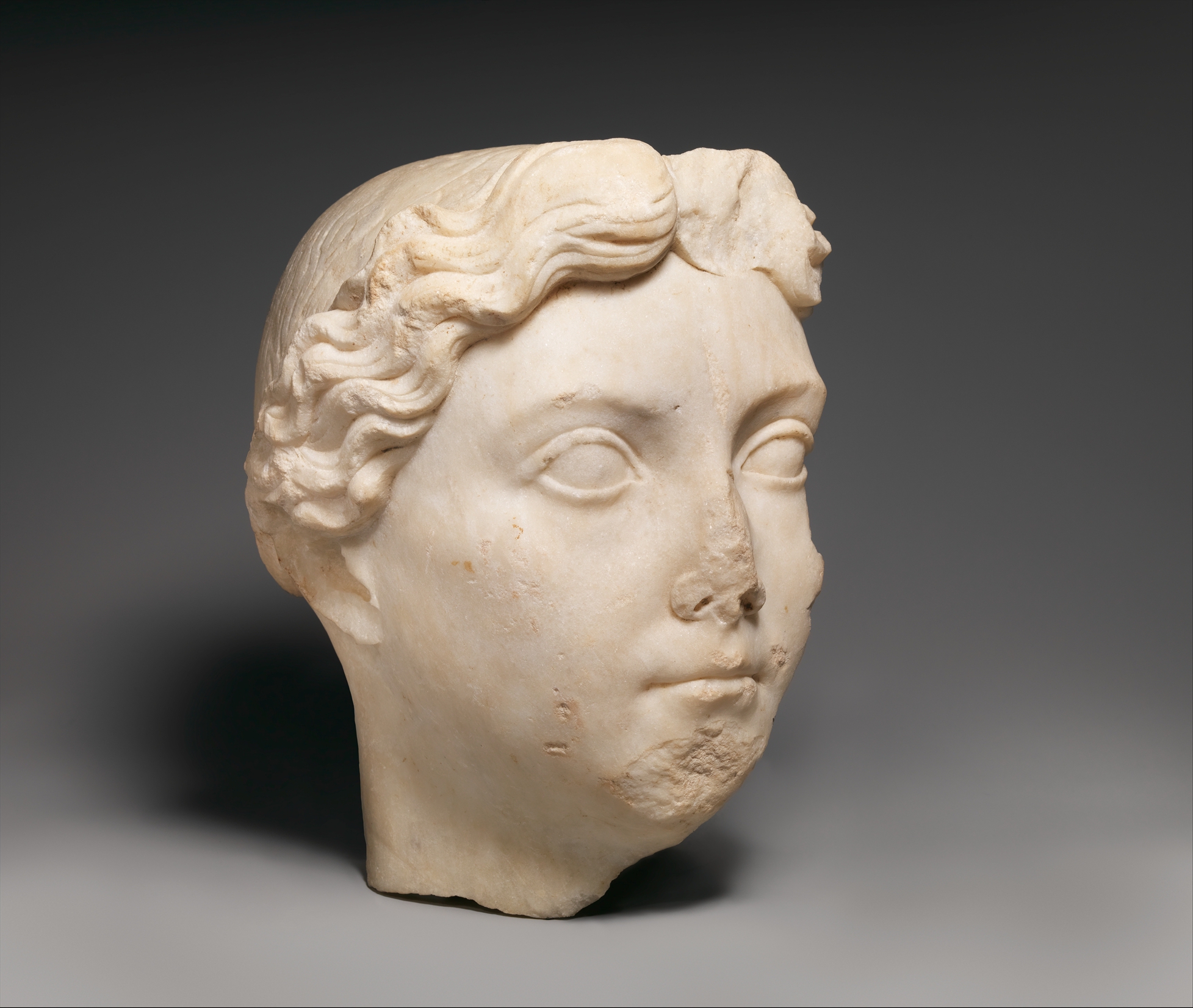
Portrait of Livia, Roman marble, circa 14–37 AD — The Metropolitan Museum of Art, Rogers Fund, 1918 (18.145.45). Public domain, CC0.
At La Corte Segreta, we simply had to include Prosecco. We love its freshness, fruity fragrance and the sparkle that accompanies the first conversations at the table. We offer it by the glass as an aperitif, and by the bottle in two expressions: Extra Brut and Extra Dry. Behind this familiar wine lies a story that intrigued us: that of a region, the prestige of its wines and the courts that appreciated them.
Livia and the wine she credited for her 86 years
The story of Prosecco's origins takes us back to antiquity, to the lands near Trieste and the Adriatic. Here, Pucinum was produced, a renowned wine from a stony hill near the Timavo, in a landscape shaped by the sea and its breezes.
Livia Drusilla, wife of Emperor Augustus, lived to the age of 86. In his Natural History, Pliny the Elder recounts that she attributed this longevity to Pucinum, the only wine she drank. She considered it exceptionally fine, and it held a special place in her daily life. We love this account, in which a prestigious wine becomes part of the intimate life of an imperial court.
This ancient memory accompanies the history of the territory to which Prosecco was later linked. The bubbles we serve today developed much later, with advances in winemaking.
A prestigious wine for the Austrian court
Centuries later, the wines of these lands also played a role in relations between a city and its rulers. The agreement of 20 September 1382 between Trieste and the House of Austria stipulated an annual delivery of one hundred ‘orne’ of the finest Prosecco wine to the Austrian court. The orne was an old unit of volume: this tribute represented a considerable quantity of wine, selected for its quality.
This episode particularly intrigued us at La Corte Segreta. A wine from its region becomes a prestigious gift for rulers. The connection between a land, its wine and European courts naturally reflects our world: attention to the table, the art of welcoming guests and the pleasure of choosing a product for what it expresses.
From the village of Prosecco to the bubbles of north-eastern Italy
Prosecco takes its name from a village near Trieste. Its cultivation and reputation gradually spread across north-eastern Italy; by the 18th century, records attest to its presence in the Veneto. The 19th century opened a new chapter: winemaking knowledge advanced, sparkling wines developed, and the Conegliano school of viticulture and oenology, founded in 1876, supported this movement.
The Prosecco we know thus took its modern form, mainly from Glera, a grape that readily expresses fruit and floral notes. In 2009, protection of its origins was reorganised with DOC Prosecco and DOCG recognition for the historic hillside appellations. Today, its history connects the lands of the Veneto and Friuli Venezia Giulia to a sparkling-wine culture that has become emblematic.
Extra Brut and Extra Dry: two expressions on our wine list
We chose the organic Prosecco DOC Diamante wines from 47 Anno Domini for their fresh, fruity and floral expression. By the bottle, we offer two different balances to suit individual tastes.
Extra Brut corresponds to a category of 0 to 6 g of residual sugar per litre. This is our driest expression: green apple, floral notes and fine bubbles meet a lively, clean, vibrant palate. We also serve it by the glass as an aperitif, for those who appreciate direct freshness and a very dry sensation.
Extra Dry corresponds to a category of 12 to 17 g of residual sugar per litre. Despite its name, it is therefore sweeter than Extra Brut. Fruit and flowers express themselves through a rounder texture, with a slight sweetness balanced by freshness. We chose it for this suppleness, its more enveloping feel and its balance of liveliness and roundness.
The Martinotti method, preserving fruit and flowers
Our Proseccos are made using the Martinotti method, also called Charmat. After a first fermentation produces a still wine, the second fermentation takes place in an autoclave, a closed, pressurised tank. Yeasts turn sugars into alcohol and carbon dioxide; the tank retains this gas, which dissolves in the wine and creates its sparkle.
Working in a tank keeps the grape's character at the forefront: notes of apple, fresh fruit and flowers, accompanied by fine bubbles. This is the direct, fragrant expression we love to find in the glass.
Understanding the Martinotti method and bubbles born in a tank →
From the glass to the pan: our Caccia di Diana
Prosecco has also found a place in our kitchen. In early 2025, when we launched our ‘La Caccia’ menu, we began preparing the spicy sausage for the Caccia di Diana pizza by deglazing with white wine. Our trials then led us to Prosecco DOC. When tasting it, we preferred this balance: the heat seemed softer and better integrated while remaining present, with a slight extra sensation of freshness.
Deglazing releases the browned cooking juices left in the pan by the meat. The wine loosens them and brings them into the preparation; as it reduces, the liquid concentrates these cooked flavours and coats the sausage. Acidity brings definition alongside the meat's richness, while the wine's character accompanies the spices and gives the whole a livelier feel.
47 Anno Domini: a Roman road and a contemporary outlook →
Glera: Prosecco's main grape →
Martinotti: bubbles born in a tank →
