Grape drying · When grapes lose their water
From Tuscan Vin Santo to Amarone, the time grapes spend waiting for the press.
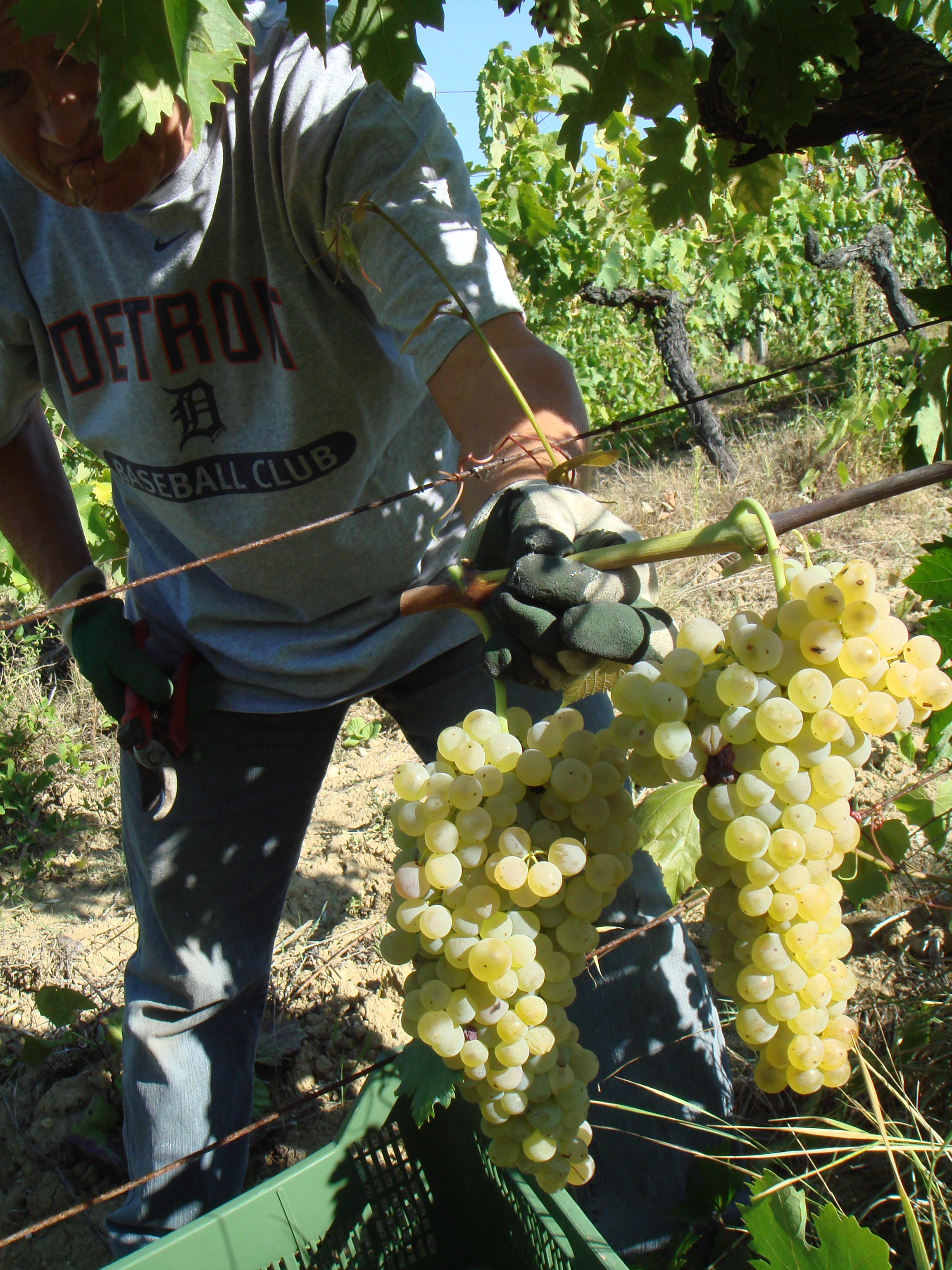
Trebbiano bunches harvested for Vin Santo at Le Torri in Tuscany. · Photo credit
As the bunches rest, their juice concentrates
After harvest, grapes for Vin Santo del Chianti air-dry slowly. As they lose water, they yield less juice when pressed. The sugars and other grape compounds are more concentrated in that juice. Italians call the process appassimento. Depending on local tradition, growers lay bunches on racks, place them in ventilated crates or hang them to let air move around them.
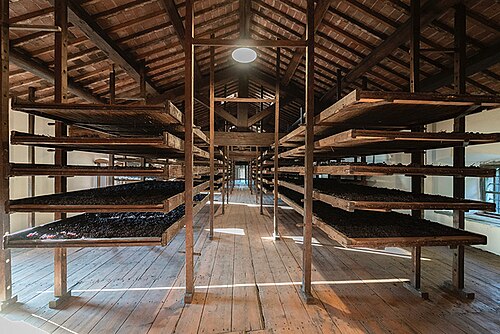
Amarone drying racks in Negrar, Valpolicella. · Photo credit
Inside the Chianti caratelli
Geografico has a dedicated cellar space for its caratelli, the traditional small barrels for Vin Santo. Drying prepares the grapes for fermentation and ageing. The Vin Santo del Chianti rules require at least three years in wooden barrels.
A hundred days in Valpolicella
Campagnola dries its Amarone grapes for around one hundred days and reports a natural weight loss of 35 to 40%. The same concentration process can produce a dry red like Amarone or a sweet wine like the Vin Santo on our list. The difference comes down to the sugar left after fermentation. Brumale Appassimento Sangiovese is another example of the tradition, from Emilia-Romagna.
Explore more in our archives
Le Argille · Grapes on the vine, two years in concrete →
Caviro, the story of a cooperative →
Sources